








Did A Nazi Billionaire Create the Gummy Bear?
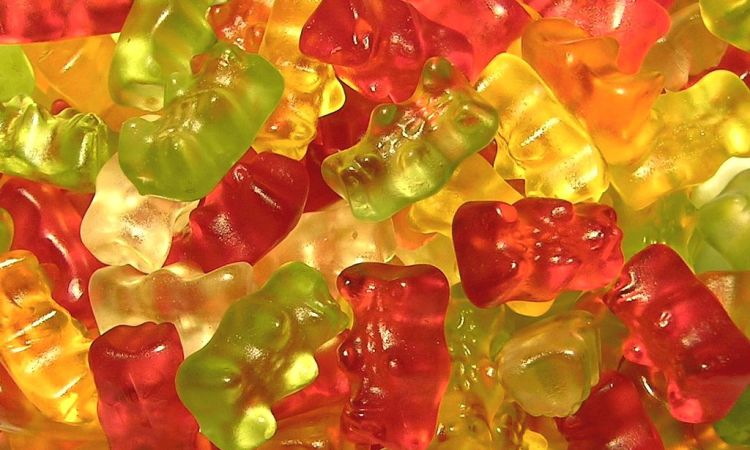
In 2013, the candy world mourned the death of Hans Riegel Jr., a scion of the German-born entrepreneurial family behind the ubiquitously edible Haribo Gummi Bears. En route to a multi-billion dollar fortune, the Riegels made these munchies the most delicious, yet problematic, snacks in the game.
German candy kaiser Hans Riegel Sr. of Bonn, Germany founded Haribo (an acronym for Hans Riegel, Bonn) in 1920. A trained confectioner, he started his own really small business. Riegel invented the gummy bear in 1922—inspired by dancing circus bears—and soon the candy became popular with the likes of Alfred Einstein and an exiled Kaiser Wilhelm II. The latter monarch dubbed them “the best thing to come out of the Weimar Republic,” the democratic German government formed in his home country after he was exiled.
 Justin Bieber and his Haribo gummies. (Coolspotters)
During World War II, though, the Riegels became a bit suspect. Their business suffered, Riegel Sr.’s sons were prisoners of war, and employees were few and far between. But when the German government rallied many prominent businesses to compensate the hundreds of thousands forced into labor during the war, but Haribo didn’t join in the effort. As a result, it’s been speculated the Riegels used forced labor to keep the business afloat. Time reported in 2000, “Haribo, makers of the jelly bear candy sold around the world, was named in the German parliament as having used forced labor, a charge it denies.”
After Riegel Sr. died in 1945, his two sons built the company up to unprecedented heights. Since the 1980s, they’ve dominated Americans’ sweet teeth, boasting fans worldwide. Despite its success, though, in recent years, Haribo also sold racist candy.
Written by Carly Silver, HistoryBuff