




Popular Vegan Food Brands, Actually Owned By Non-Vegan Companies
As vegan food products become more and more accessible, the lucrative playing field is attracting companies that don’t necessarily align with the same values, yet see a profit. Depending on where you lie on the vegan spectrum, a non-vegan company that owns a vegan brand can represent either progress, or a thinly veiled cash-grab. For example, would you consider it hypocritical for Follow Your Heart, the brand behind Vegenaise and stark-supporter of sustainability, to be owned by Danone North America, a major dairy-products company?
Is it a moral conundrum or just the slowly spinning wheel of change? I’ll let you decide. Ask any burgeoning business, being idealistic can be expensive and the fact is, we live in a largely-capitalist world. That’s why the idea of non-vegan companies owning vegan brands, while contradictory, is simply an inevitability. One could even argue that it’s a necessity, after all, the more access people have to vegan options, the less meat they’ll consume.
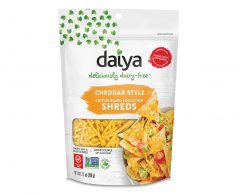
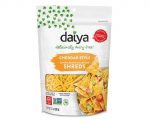
A trailblazer in the dairy-free cheese world, Daiya was acquired by Otsuka Pharmaceutical Co. in 2017, a major corporation that has its hands in everything from holistic health to food and beverage. While some of Otsuka Pharma’s food brands contain meat and dairy, most of their offerings are plant-based and healthy-adjacent.
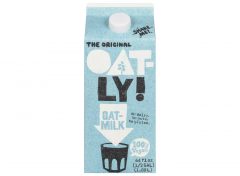
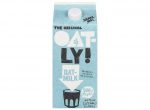
With Oatly at the helm, oat milk made a huge splash on the alternative milk scene when it was introduced in 2017. Oatly received a hefty investment of $200 million from Blackstone in 2020, the world’s largest assets management company. The company was once accused by the UN of inflating the cost of its residential properties, which total somewhere in the hundreds of thousands globally. That’s just one of several controversies connected to Blackstone. Nevertheless, Blackstone’s website states that “sustainability is core to our mission.”
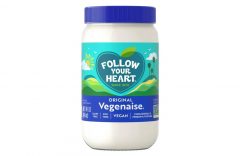
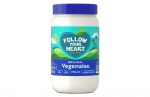
Follow Your Heart is one of the most recognized non-dairy brands on the market. After 50 years in business, it was acquired by Danone North America in 2021. Danone is behind many popular yogurt brands. That aside, the company’s products generally focus around health, which actually aligns with Follow Your Heart. Also, Follow Your Heart products are still manufactured at Earth Island, its Los Angeles-based solar-powered facility with Platinum-level Zero Waste certification.
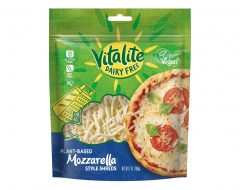
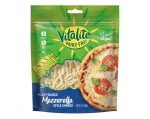
Vitalite is a dairy-free company that specializes in spreads and cheeses and has been around since 1983. Saputo Cheese USA Inc. has been a leading cheese products producer for over 60 years. In hopes of accessing the growing vegan cheese market, Saputo acquired Vitalite in 2019. On its website, Vitalite maintains that their spread is produced in factories that do not handle nuts or nut-based ingredients (it doesn’t mention anything about dairy). I wasn’t able to find any production information on its dairy-free cheese products.
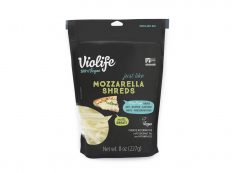
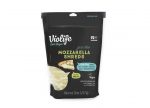
This popular vegan cheese brand has been in business since the 90s. It was purchased by Upfield Group B.V. in 2020, a company that has specialized in butter alternative spreads since 1871. Their profile includes a slew of popular brands from around the world, some of which include Country Crock, LÄTTA, and I Can’t Believe It’s Not Butter — each of which contain dairy. A closer look reveals that each of Upfield’s brands lean towards healthy alternatives to dairy butter and cheese, which makes it the perfect fit for Violife.
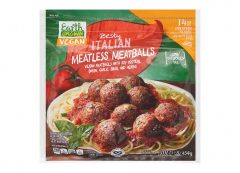
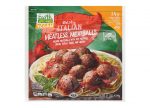
One of Aldi’s in-house brands, Earth Grown makes everything from vegan mac & cheese to veggie burgers. In 2020, SmithFoods issued an allergy alert for one of Earth Grown’s products, which indicated that the dairy producer may own the brand. SmithFoods doesn’t list Earth Grown as a product on its website, though. Although I couldn’t find where it’s actually produced, Earth Grown states that all of its products are free from animal products, and their vegan offerings are also free from animal-based substances.
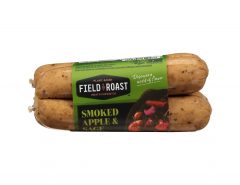
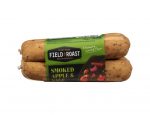
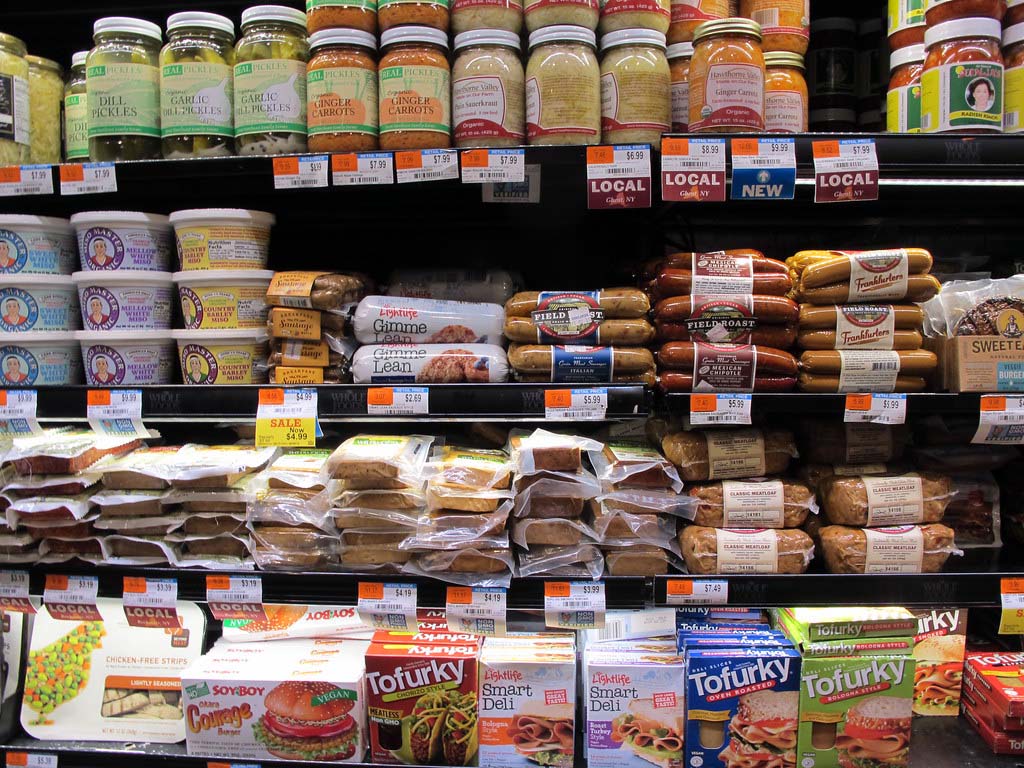
Since 1997, Field Roast has been offering soy-free grain-based meat alternatives. It was acquired by Maple Leaf Foods in 2017 for $120 million. The company is Canada’s largest prepared meats and poultry producer. In the acquisition press release, Maple Leaf Foods said that it would be guided by a “deep commitment to social purpose, sustainability and the progress of the plant-based foods sector.” According to Field Roast’s website, the products are made at their 40,000 sq. ft. building located in Seattle, Washington.
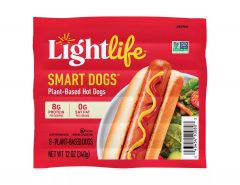
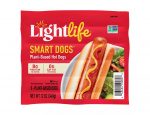
Lightlife is another vegan brand well known for its meat alternatives. It is also owned by Maple Leaf Foods/Greenleaf Foods and was purchased the same year as Field Roast. In 2021, Maple Leaf Foods announced the construction of a $100 million tempeh plant for Lightlife. The brand’s products are made in the company’s own factories, separate from potential cross-contamination with dairy or meat-based products.
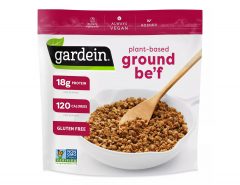
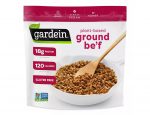
You’ve probably seen this brand at many popular grocery chains. Gardein was purchased by Congara Brands in 2018. Congara Brands owns popular brands like Slim Jim, Duncan Hines, Marie Callender’s, and more. Yves Potvin, founder of Gardein, has remained the CEO of Gardein. According to Datanyze, Gardein maintains its own production facilities in Richmond, British Columbia and Hagerstown, Maryland.
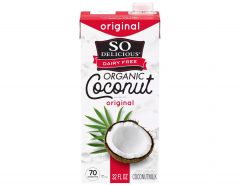
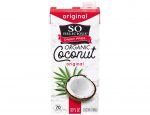
Another popular dairy-free brand owned by Danone North America, So Delicious was one of the first to offer milk alternatives that are actually good — along with Silk Plant-based Milk. As previously mentioned, Danone North America generally offers products that lean towards health and nutrition. There is a debate over just how healthy these products are, though, as studies in the past have found them to be mostly comprised of water, sugar, and additives.