















One Of The World’s Most Common Artificial Sweetners Is A Possible Carcinogen
The popular sweetener, aspartame, is currently being reviewed by The International Agency for Research on Cancer (IARC) to determine if it can increase the risk of cancer.
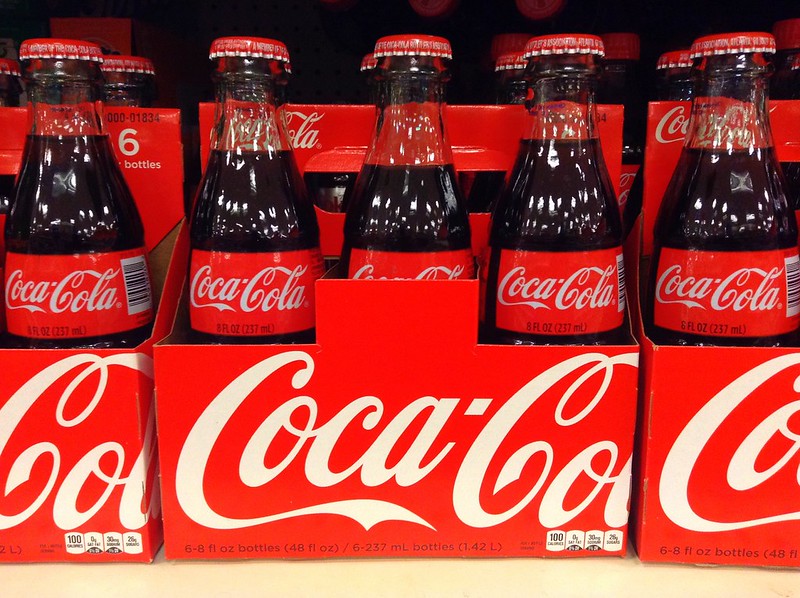
Aspartame is in numerous popular products like Coca-Cola, diet sodas, Mars’ Extra chewing gum, Trident Gum, Orbit Gum, Conagra’s Mrs. Buttersworth syrup, some Snapple drinks, various popular breakfast cereals, low-calorie coffee sweeteners, puddings, sugar-free desserts, sugar-free jams, low-sugar or sugar-free packaged foods — the list goes on and on.
The sweetener will be listed in July as “possibly carcinogenic to humans” for the first time by the IARC, which is the World Health Organization’s (WHO) cancer research arm, according to sources notified by Reuters.

The IARC ruling, finalized earlier this month after a meeting of the group’s external experts, is intended to assess whether something is a potential carcinogen or not, based on all the published evidence.
Currently, it doesn’t take into account how much a product can one safely consume, though anything potentially cancer-causing shouldn’t be in the rotation.
“Aspartame has been in use as an intense sweetener for more than 30 years in the UK. It is typically used as a concentration of up to 500 mg/litre but usually less as it is used in blends with acesulfame K,” stated Tom Sanders, professor emeritus of Nutrition and Dietetics, King’s College London. Acesulfame K is another low calorie sweetener.
After the potential ruling against it, a future without aspartame won’t happen overnight and may take quite a while. According to the 2020 Coca Cola Great Britain FAQ, the Coca Cola Company sells 1.9 billion servings of their drinks that are consumed in over 200 countries each day. Such a massive amount in circulation won’t simply disappear.