
















Today I Learned: The Word ‘Ketchup’ Actually Means Preserved Fish Sauce
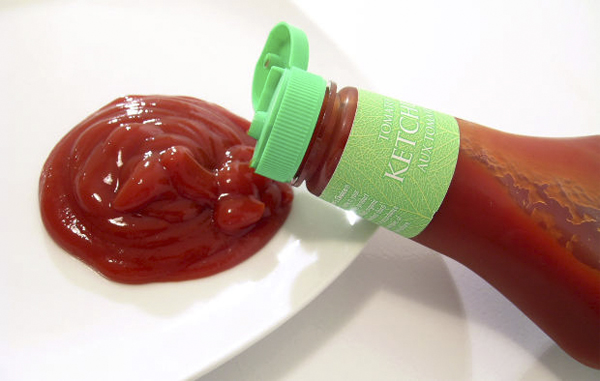
You’d be hard pressed to find a condiment more “American” than ketchup, but it seems that, just like everything else in this great nation of ours, we stole that from someone else too.
Last week, NPR took a look at Stanford linguist’s Dan Jurafsky’s book The Language of Food, to puzzle out a few interesting etymological factoids — including, yes, the history of ketchup.
According to Jurafsky, our favorite tomato-based hot dog topping actually started as a kind of preserved Chinese fish sauce in the 5th century. The process for its creation involved “‘layering local fish in jars with cooked rice and salt, covered with bamboo leaves, and left to ferment.'” The result was pickled fish, and a leftover salty, fish-flavored sauce called ketchup — “tchup” being a word for sauce in Chinese and “ke” meaning “preserved fish.”
In the 19th century, British sailors who had traveled to Asia added tomatoes to the mix, and not too long after that, the fish was eventually ditched and Americans added sugar. The name ketchup, however, stuck.
How’s that for watercooler fodder?